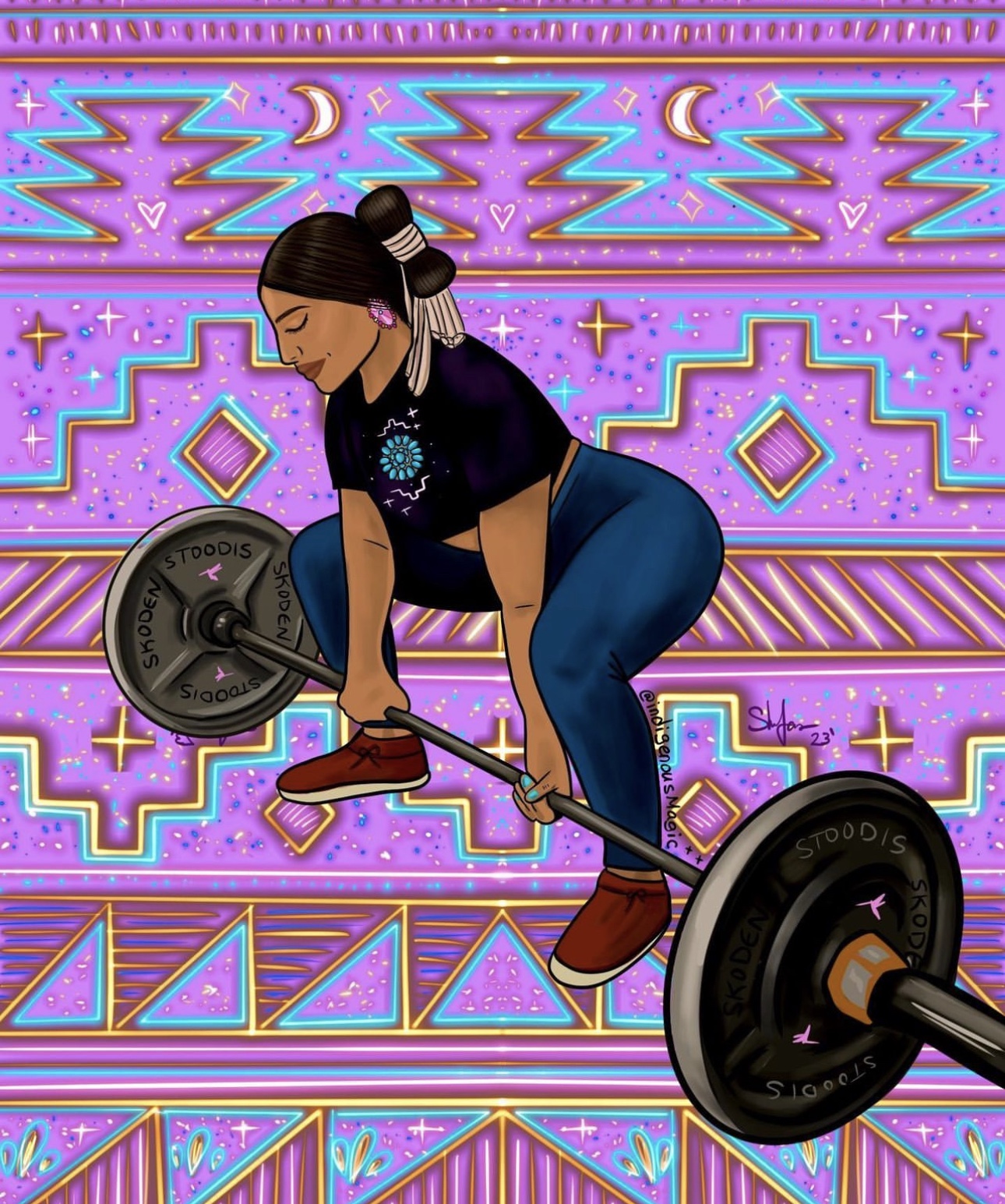
Indigenous people, also known as First Nations, Inuit, and Métis peoples, have a rich history and culture that dates back thousands of years. However, their health and wellness have been adversely affected by historical and ongoing colonialism, systemic racism, and a lack of access to quality healthcare.
Improving the health and wellness of indigenous people requires a holistic approach that addresses the root causes of their health disparities. Here are some key areas that can be focused on to improve the health and wellness of indigenous people.
- Addressing the social determinants of health: The social determinants of health refer to the conditions in which people are born, grow, live, work, and age. Indigenous people face a range of social determinants of health, including poverty, inadequate housing, limited access to education, and exposure to environmental toxins. Addressing these factors can have a positive impact on their health and wellness.
- Providing culturally safe healthcare: Indigenous people often experience discrimination and racism when accessing healthcare, which can deter them from seeking medical care. Providing culturally safe healthcare that respects their culture, traditions, and beliefs can help to build trust and improve health outcomes.
- Incorporating traditional healing practices: Traditional healing practices, such as herbal medicine, smudging, and sweat lodges, have been used by indigenous people for thousands of years. Incorporating these practices into healthcare can provide a more holistic approach to healing that is aligned with indigenous values and beliefs.
- Promoting community-based initiatives: Community-based initiatives that focus on improving health and wellness can be more effective than top-down approaches. These initiatives should involve indigenous communities in the planning, implementation, and evaluation processes to ensure that they are culturally appropriate and meet the specific needs of the community.
- Supporting indigenous-led healthcare: Indigenous-led healthcare initiatives can help to address the unique health needs of indigenous people. This includes initiatives that are led by indigenous healthcare providers, such as community health workers and traditional healers.
Improving the health and wellness of indigenous people requires a concerted effort that involves multiple stakeholders, including government, healthcare providers, and indigenous communities themselves. By addressing the social determinants of health, providing culturally safe healthcare, incorporating traditional healing practices, promoting community-based initiatives, and supporting indigenous-led healthcare, we can help to reduce health disparities and improve the health and wellness of indigenous people.
Self-care is another important aspect of maintaining physical, mental, and emotional well-being. For indigenous people, self-care can involve practices that are rooted in their cultural traditions and values. Here are some ways that an indigenous person can practice self-care:
- Connect with nature: Indigenous people have a deep connection to the land and nature, which can be a source of healing and renewal. Spending time in nature, such as going for a walk, fishing, or gathering herbs, can be a way to reconnect with the natural world and improve mental and emotional well-being.
- Practice traditional healing: Traditional healing practices, such as smudging, sweat lodges, and herbal medicine, can be a way to promote physical, mental, and emotional healing. These practices have been used by indigenous people for thousands of years and are still relevant today.
- Connect with community: Community is an important aspect of indigenous culture, and connecting with others can provide a sense of belonging and support. Participating in community events, ceremonies, and gatherings can be a way to build connections and promote well-being.
- Engage in cultural activities: Engaging in cultural activities, such as drumming, dancing, or storytelling, can be a way to connect with indigenous culture and promote a sense of pride and identity. These activities can also be a way to express emotions and connect with others.
- Prioritize rest and relaxation: Rest and relaxation are important aspects of self-care. Prioritizing time for rest and relaxation, such as taking a nap or engaging in a hobby, can help to reduce stress and promote well-being.
Overall, self-care for indigenous people involves connecting with their cultural traditions and values, prioritizing rest and relaxation, and building connections with nature and community. By incorporating these practices into their daily lives, indigenous people can promote physical, mental, and emotional well-being.

 The Wellness Warrior Woman